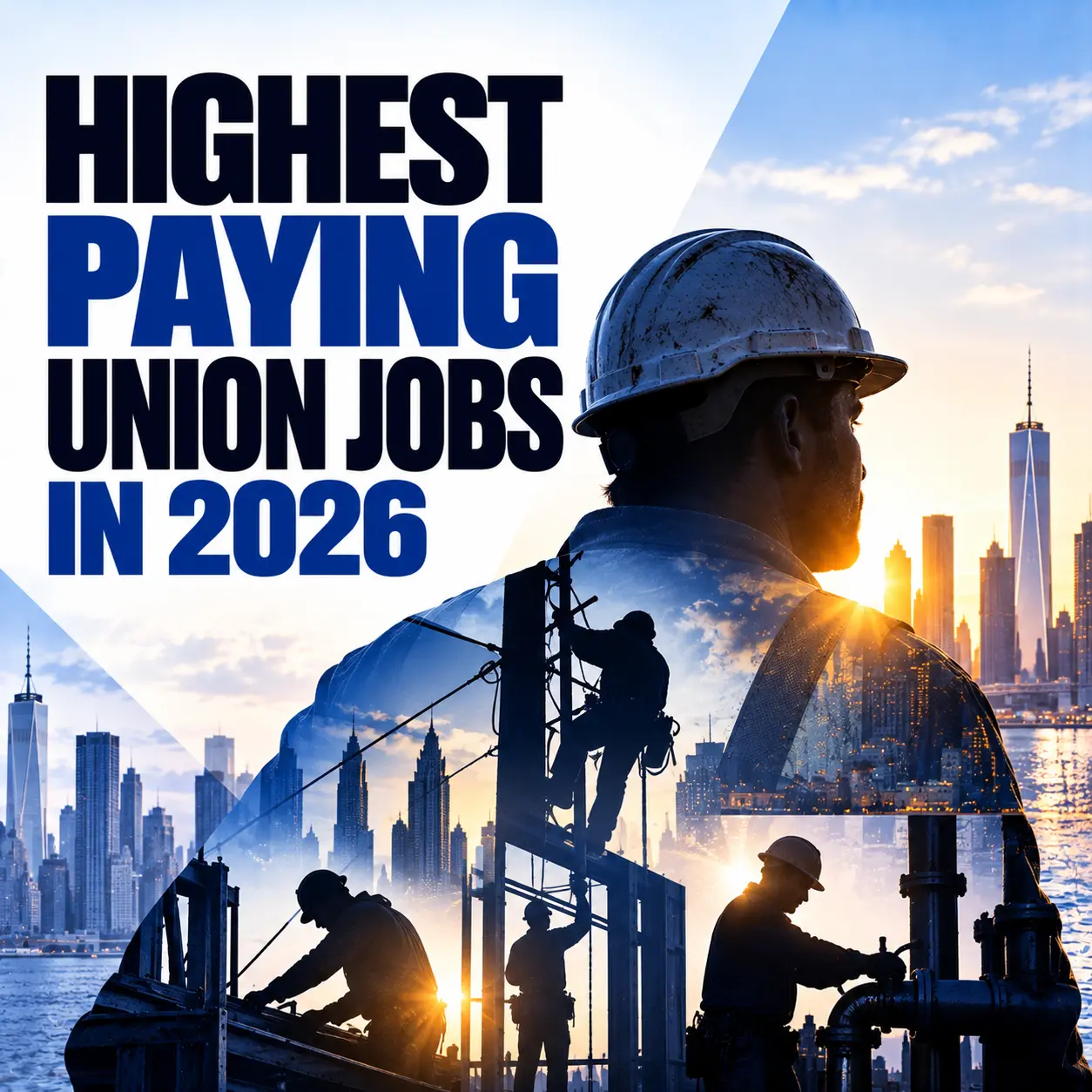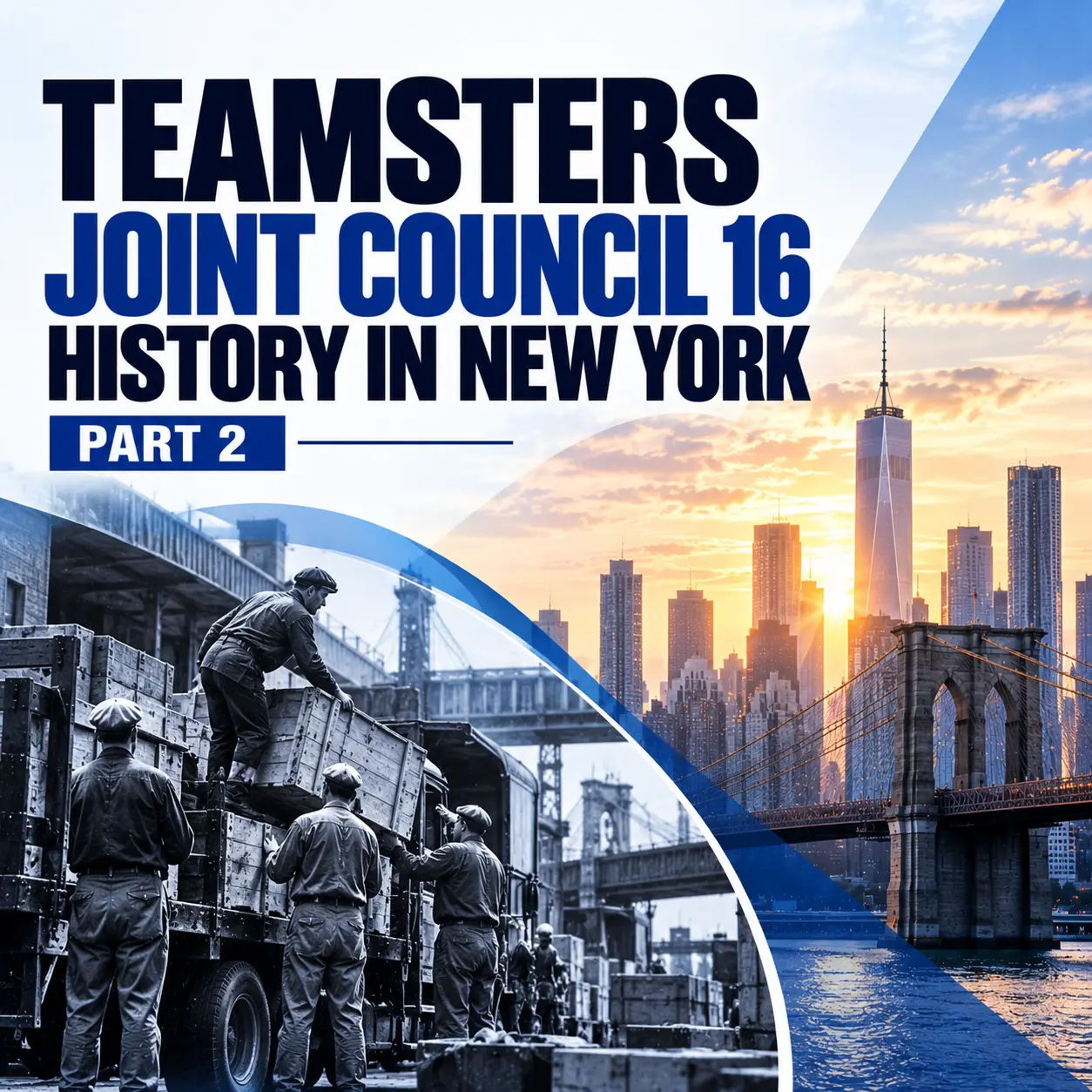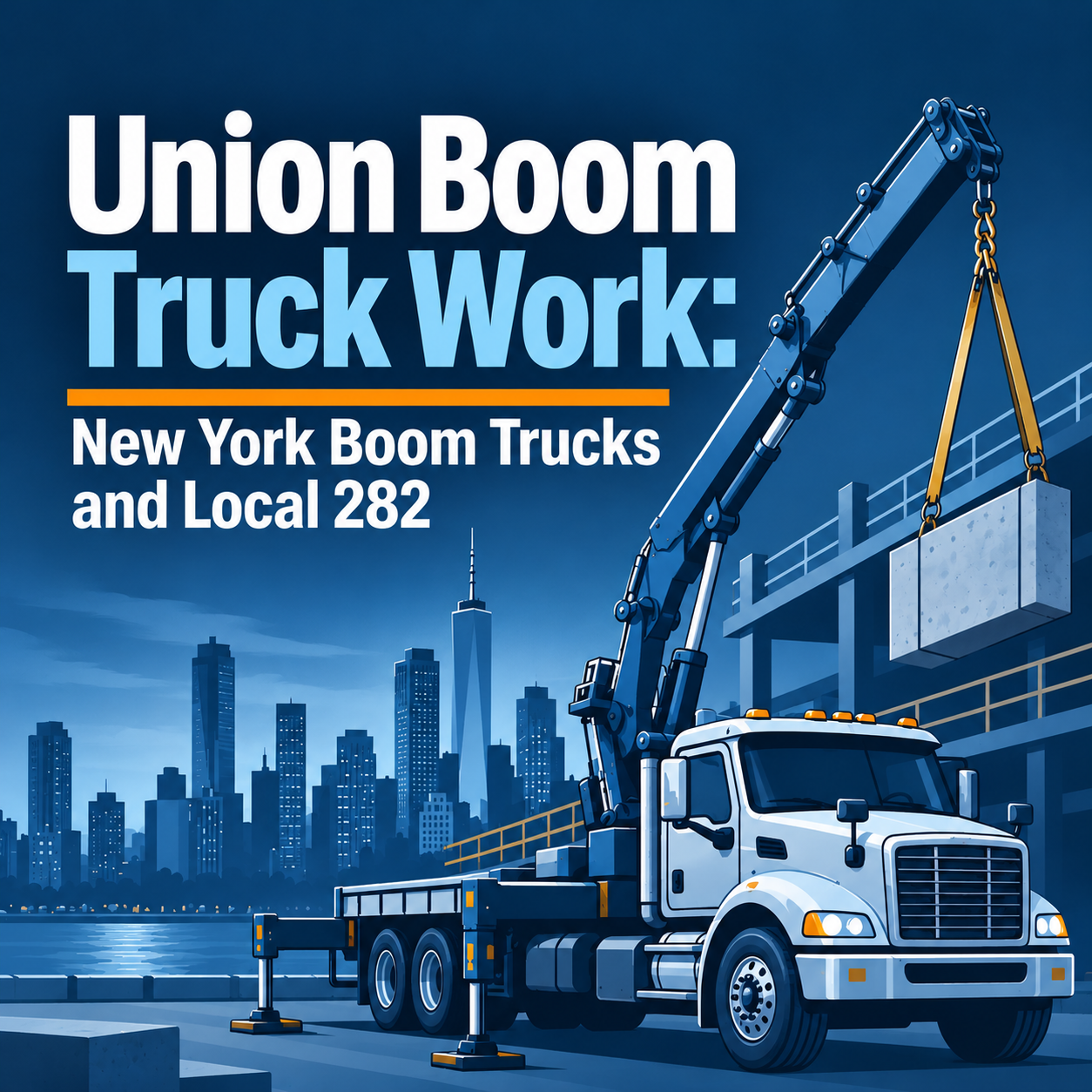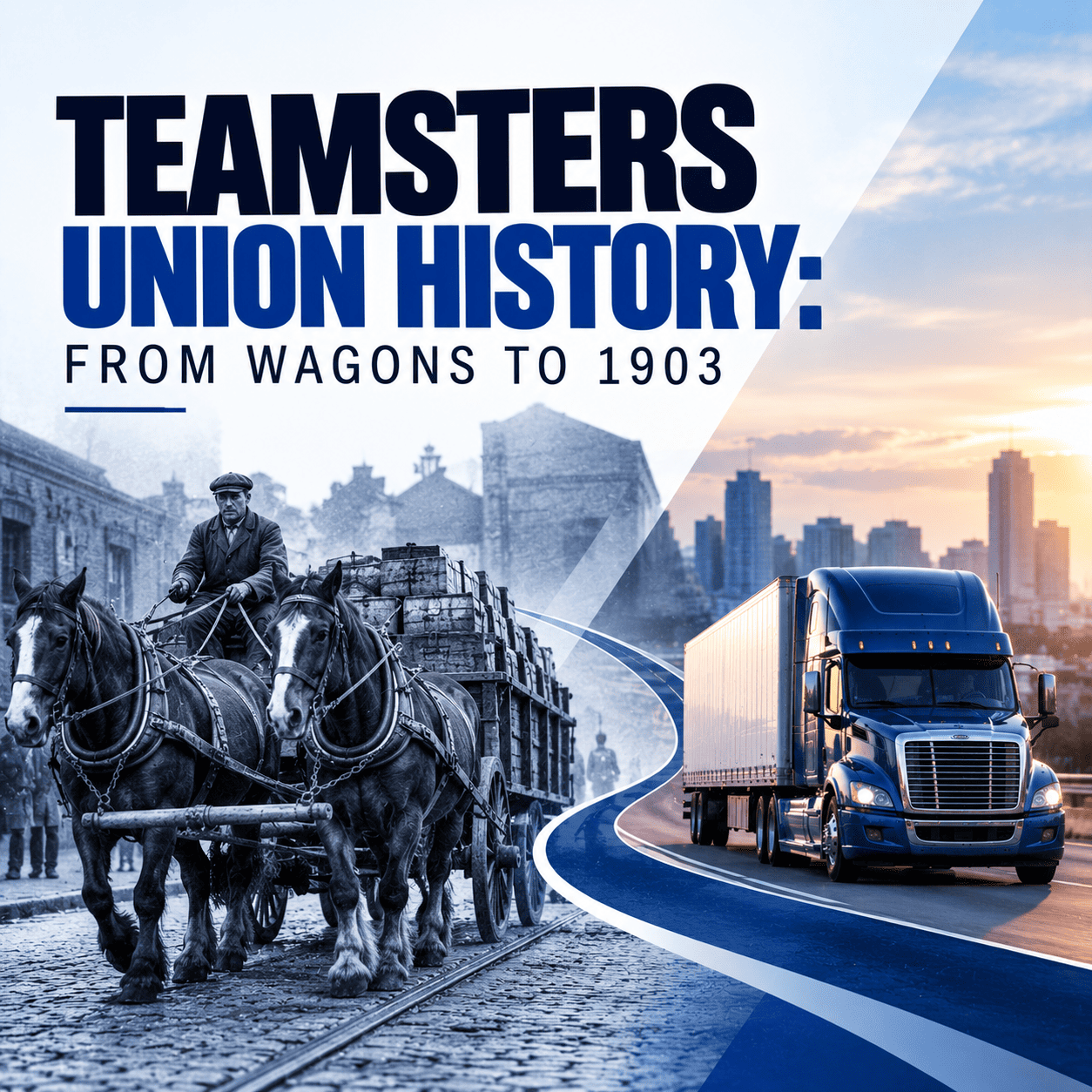
Every bridge you drive across, every hospital wing, every substation that keeps the lights on—somewhere in that structure is the fingerprint of a union tradesperson. Organized labor didn’t just show up to build America. It built the standards that made American construction and infrastructure the envy of the world: the 40-hour week, apprenticeship training, jobsite safety protocols, and the simple idea that skilled work deserves a fair wage.
That history isn’t just something to be proud of. It’s a living argument for why union labor still matters today.
The Foundation: Standards, Not Slogans
Before organized labor set the bar, construction work was inconsistent and often dangerous. Wages varied wildly by employer, training was informal or nonexistent, and worker safety was an afterthought. Unions changed that by establishing something employers couldn’t undercut: a shared floor of standards across an entire trade.
Training: Unions helped establish formal apprenticeship programs that combine classroom instruction with paid, on-the-job training, creating consistent pathways for workers to develop trade skills.
Wages: The labor movement helped advance the eight-hour workday and the fight for fair working hours and compensation. The Fair Labor Standards Act of 1938 established federal minimum wage and overtime protections.
Safety: Labor organizations advocated for stronger workplace protections, contributing to a broader movement that led to the Occupational Safety and Health Act of 1970 and its federal safety standards.
Those efforts helped shape the expectations that continue to define skilled union work today; that’s the part communities often miss.
Union labor isn’t a preference—it’s an infrastructure of quality control. When a union electrician, plumber, or operating engineer shows up on a job, they’ve been through a standardized apprenticeship, they’re accountable to a code of training, and they’re backed by a structure that protects both the worker and the work itself.
What This Means for Working Families
For the men and women who make up the trades, the standards established through organized labor translate into tangible benefits and greater long-term security. Working for a union means:
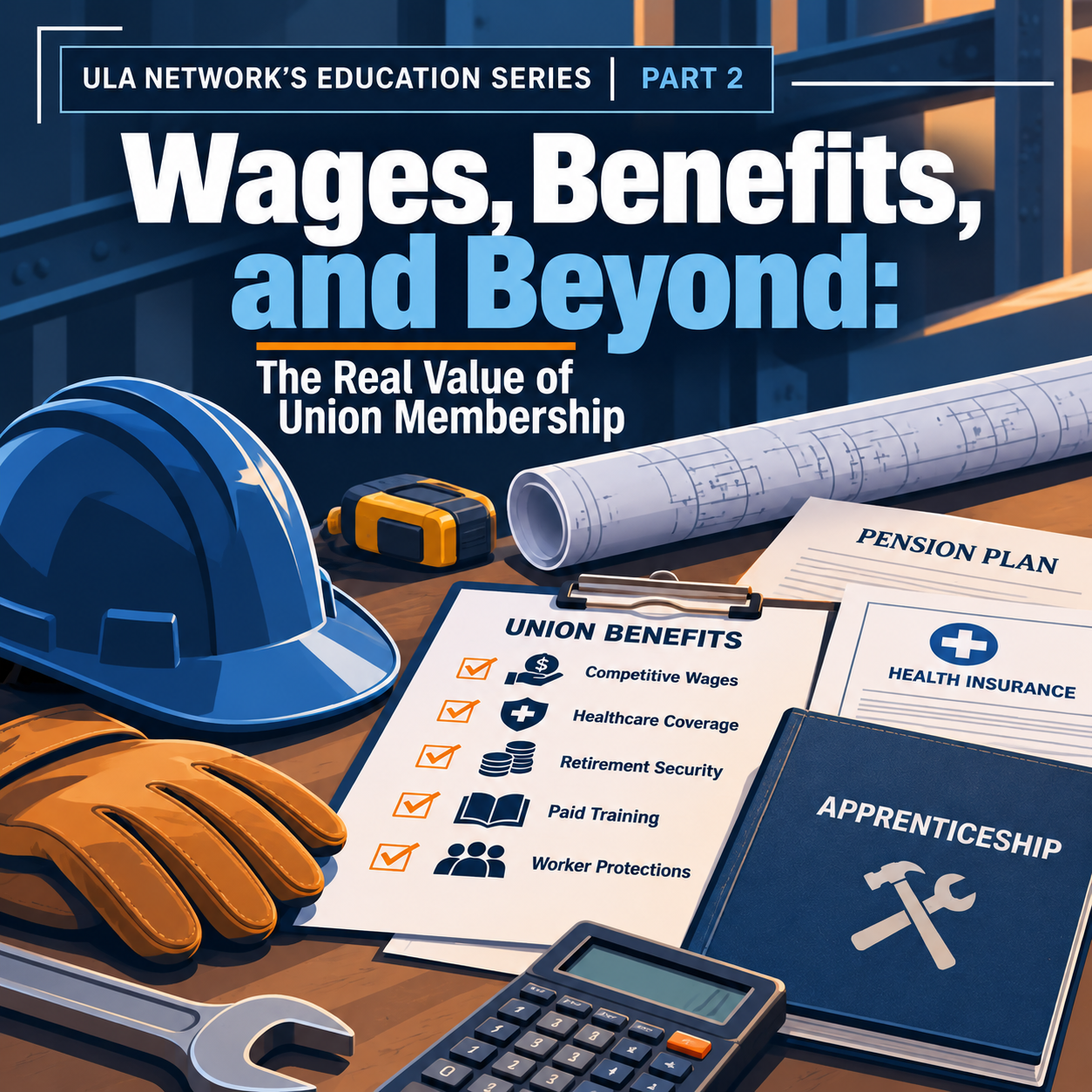
Predictable wage progression tied to skill and experience, not employer discretion
Employer-funded health benefits that don’t disappear when the economy dips
Pension and retirement security built over decades of contributions
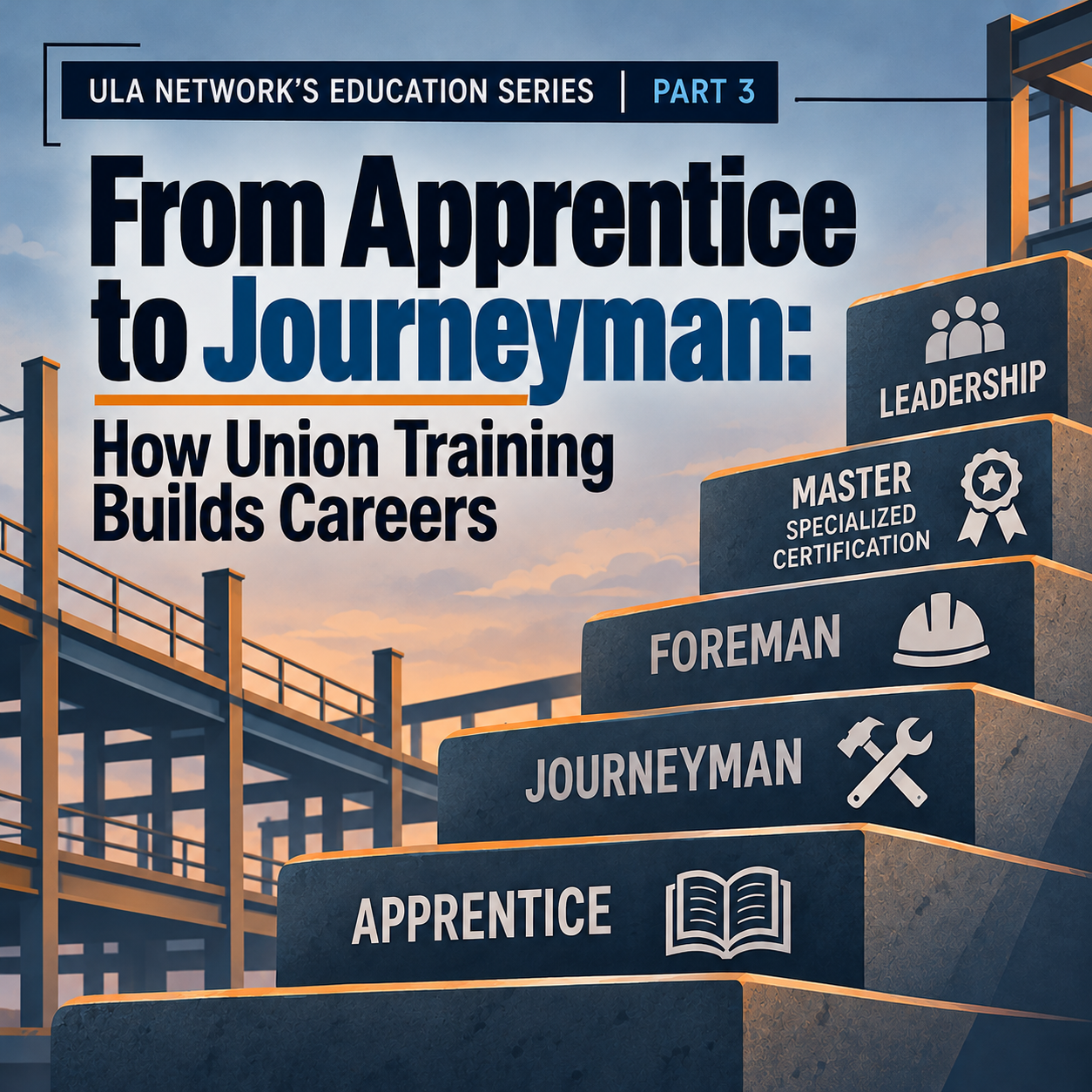
A formal path from apprentice to journeyman to master—real career mobility without a four-year degree
These aren’t abstractions. They’re the reason a tradesperson can buy a home, raise a family, and retire with dignity in one of the most physically demanding professions in the country.
What This Means for Communities
One of the most visible ways organized labor continues to benefit communities is through its investment in workforce development. Union training centers put the standards established through apprenticeship programs into practice, preparing workers with the technical knowledge, hands-on experience, and specialized skills needed across the trades.
That investment can be seen in training facilities throughout the region:
John B. Scola Training Center: Apprentices develop hands-on masonry skills, including bricklaying, block laying, mortar repointing, and stone installation.
Long Island Joint Apprenticeship and Training Facility: Electrical training pathways include electrician apprenticeships, construction wireman training, and telecommunications programs.
Eastern Atlantic States Carpenters Technical Center: Apprentices receive specialized instruction across commercial construction trades, including carpentry, millwright work, cabinetmaking, pile driving, commercial diving, and flooring installation.
These facilities reflect a larger principle that has defined organized labor for generations: investing in workers’ skills strengthens not only individual careers, but also the quality and reliability of the workforce communities depend on.
The Ongoing Case for Organized Labor
The conversation about union labor is sometimes framed as nostalgia— a look back at what unions used to do. That framing misses the point. The same forces that made organizing necessary a century ago—wage suppression, unsafe conditions, lack of accountability— are still present in non-union corners of the industry today.
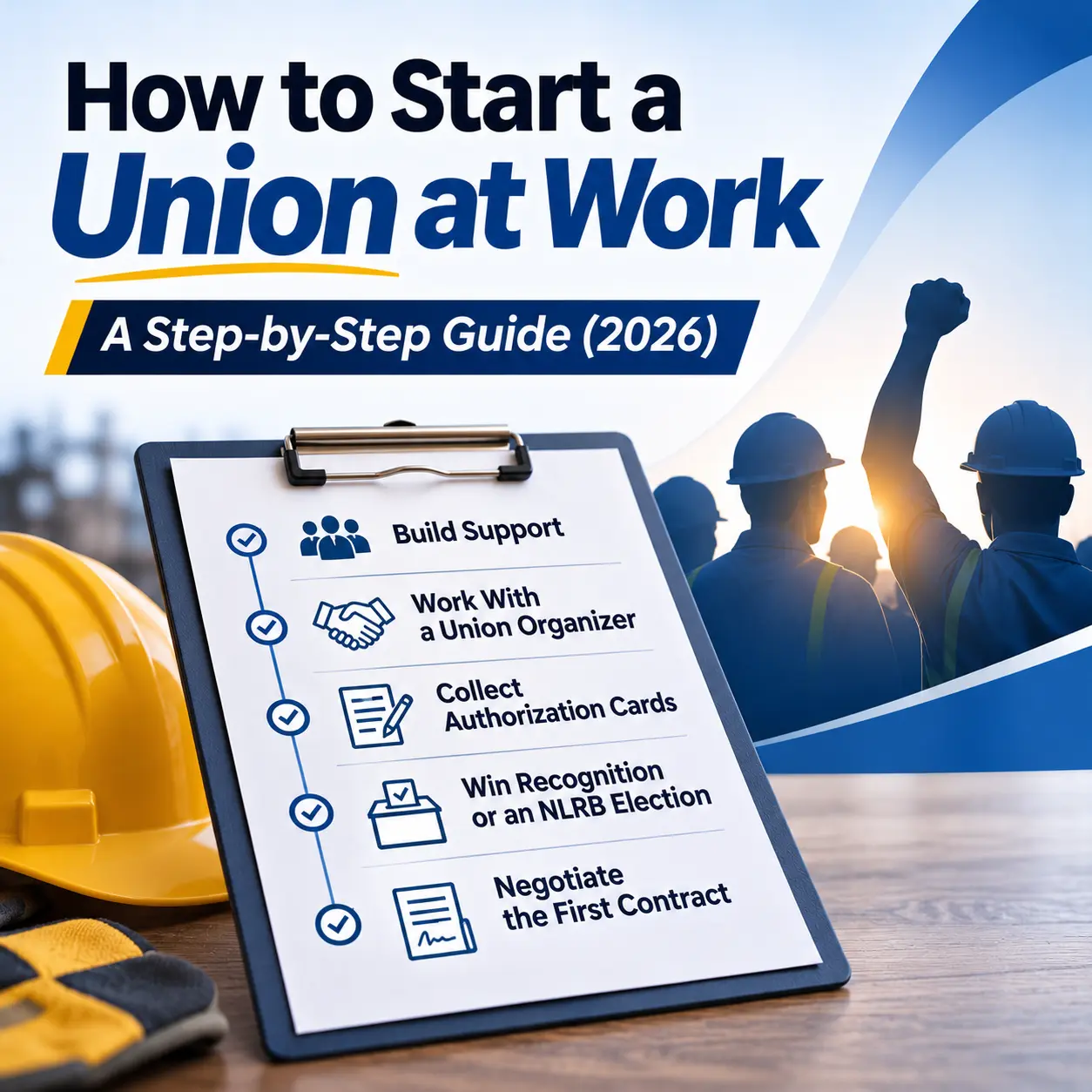
What has changed is the toolkit. Modern union organizing combines traditional relationship-building with digital communication, workforce development partnerships, and community-facing education. For local leaders, organizing committees, and community partners, this creates an opportunity to make the case for union labor in ways that resonate with today’s workforce.
That case is strongest when it is grounded in specifics: the standards that protect workers, the opportunities that create lasting careers, and the contributions union labor makes to the communities it serves. These are not simply milestones from labor’s past; they are the reasons organized labor continues to play an essential role in shaping the workforce, strengthening communities, and building the infrastructure we depend on.
Frequently Asked Questions
1. How has organized labor helped shape America’s workforce?
Organized labor helped establish workplace standards that continue to shape the trades today, including apprenticeship training, fair working hours, wage protections, and jobsite safety standards.
2. How do union apprenticeship programs benefit workers?
Union apprenticeship programs combine classroom instruction with paid, hands-on training. They provide workers with a structured path to develop trade skills and advance from apprentice to journeyman and, eventually, master.
3. What benefits do union workers receive?
Union workers can benefit from predictable wage progression, employer-funded health benefits, pension and retirement security, and opportunities for long-term career advancement.
4. How does union labor benefit local communities?
Union labor strengthens communities by developing a skilled workforce capable of building and maintaining essential infrastructure. Union training centers invest in workers’ technical knowledge and hands-on experience, helping prepare them for careers across the construction trades.
5. Why is organized labor still important today?
Organized labor continues to advocate for fair wages, safe working conditions, worker protections, and access to skilled trade careers. These standards remain important to protecting workers, supporting families, and maintaining a reliable workforce.