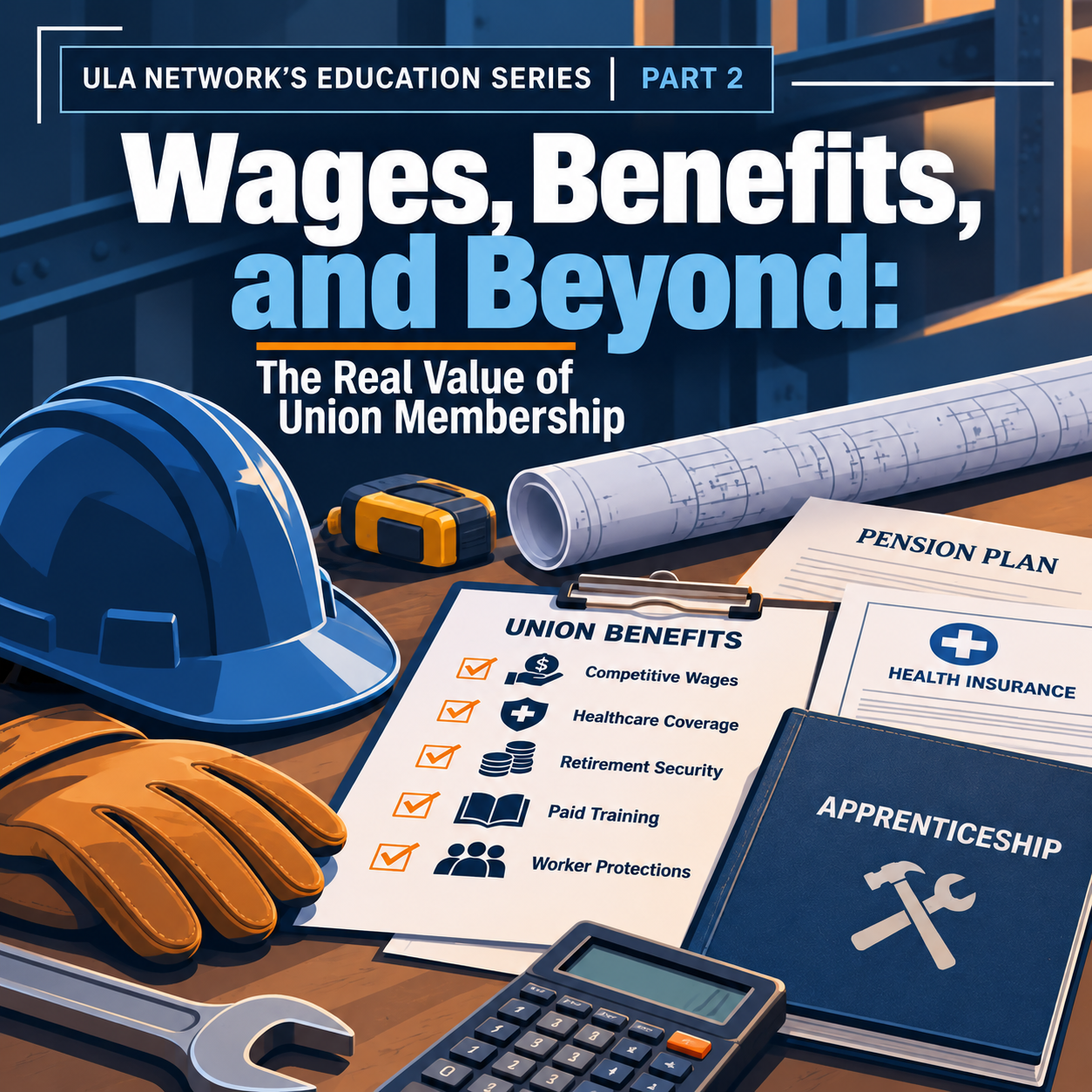
Ask most people outside the trades what a union does, and the answer usually stops at “better pay.” That’s true — but it’s also the smallest part of the story. The real value of union membership shows up in the parts of a career most workers never think to negotiate for themselves: healthcare that doesn’t vanish with a layoff, a pension that compounds over decades, and a grievance process that means a worker isn’t standing alone against an employer.
For organizers and union leadership, understanding — and communicating — the full scope of that value is the difference between a member who pays dues out of obligation and one who becomes an advocate.
Beyond the Paycheck: The Total Compensation Picture
Union wage rates are set through collective bargaining, which means they reflect the actual cost of skilled labor rather than what any single employer is willing to pay. But wages are only one line item. A fuller comparison includes:
- Employer-funded health insurance, often with no or low employee premium contributions
- Defined-benefit or multi-employer pension plans, which are increasingly rare outside organized labor
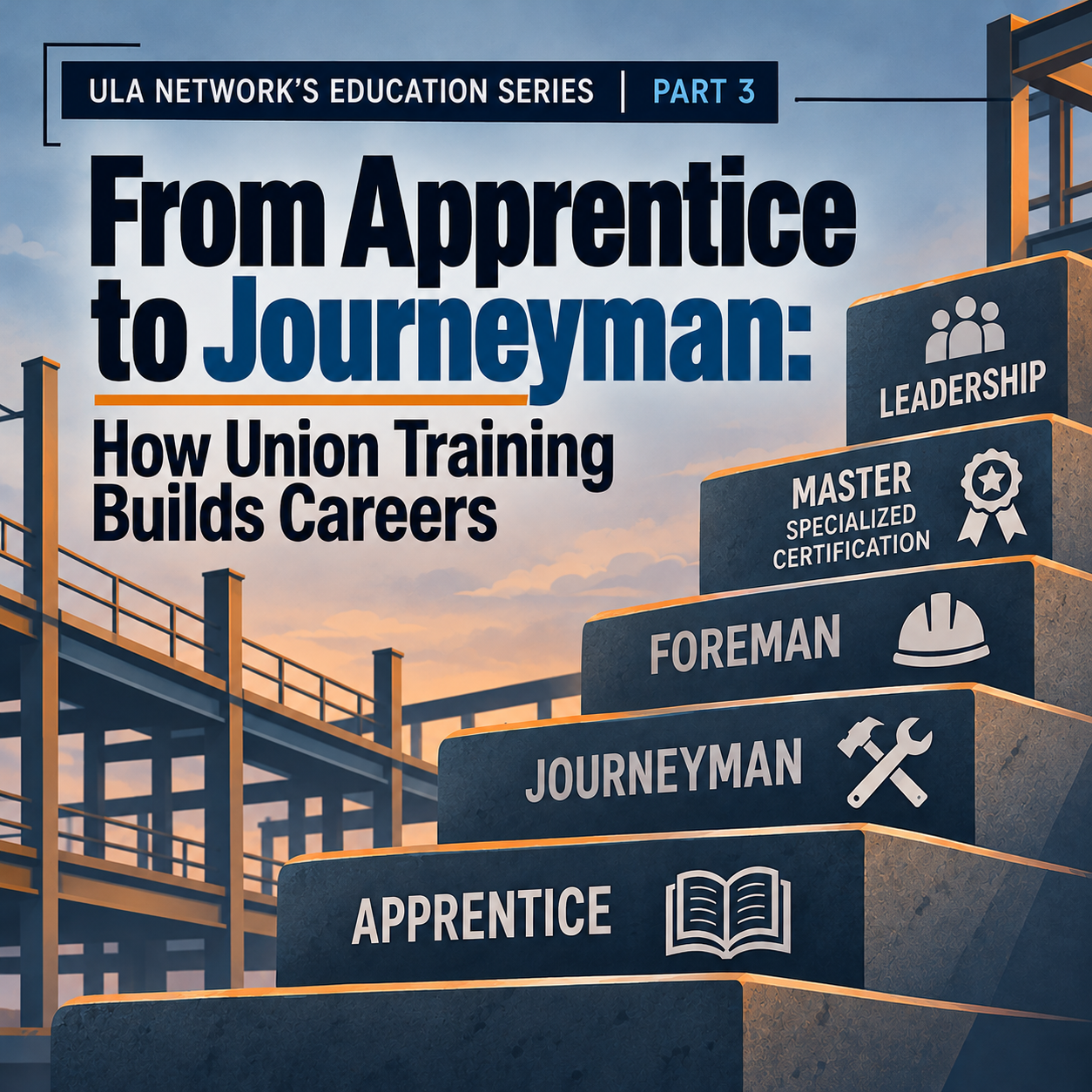
- Paid apprenticeship training, meaning workers earn a wage while they learn a trade, rather than paying tuition
- Structured wage progression, so pay increases are tied to verified skill milestones, not manager discretion
When you add these together, the gap between union and non-union total compensation is almost always wider than the hourly wage difference alone suggests.
The Safety Net Most Workers Don’t Know They’re Missing
Construction and skilled trades work carries real physical risk. Union contracts typically include safety protocols, training requirements, and enforcement mechanisms that non-union worksites aren’t obligated to match. That includes the right to raise safety concerns without fear of retaliation — a protection many non-union workers simply don’t have.
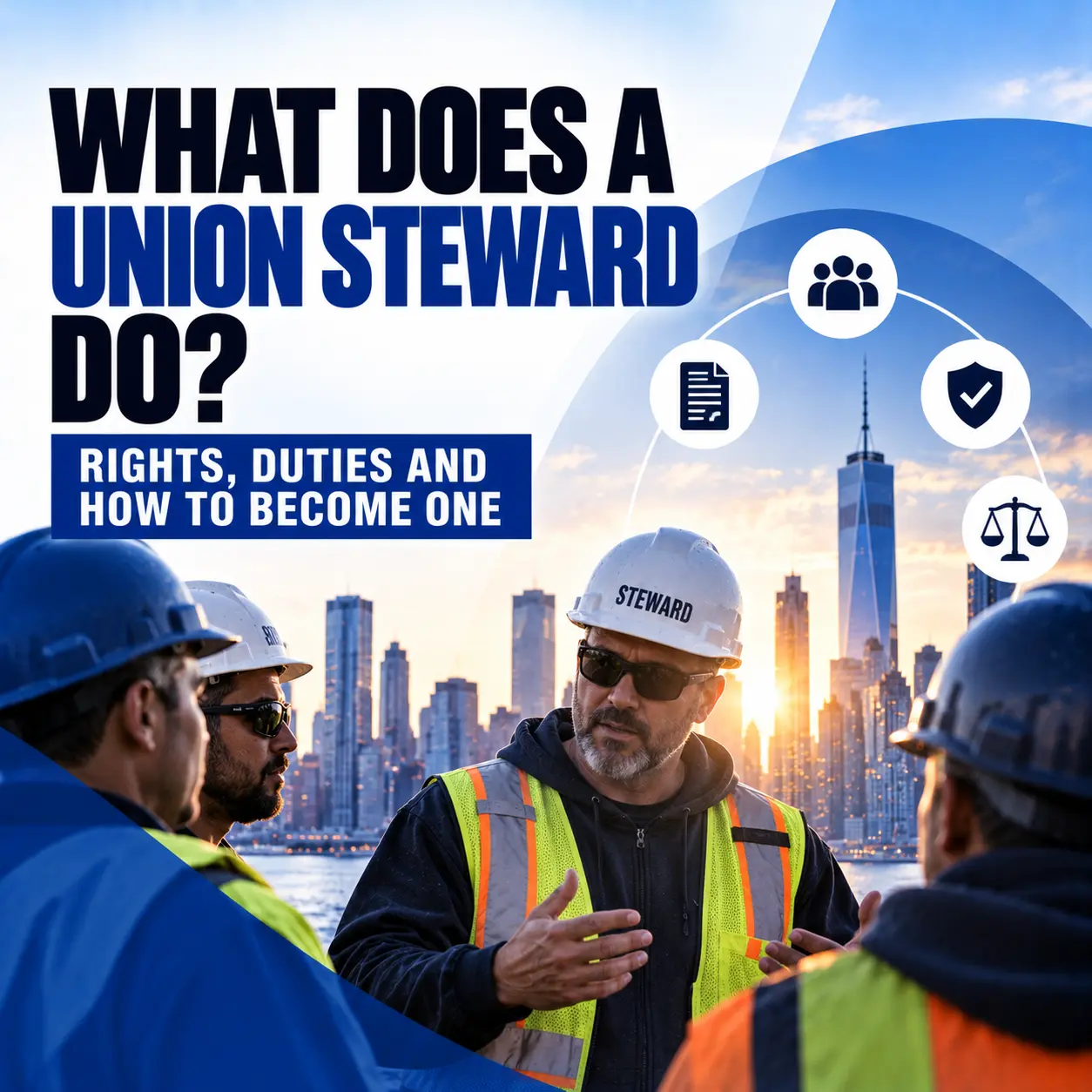
There’s also the grievance and arbitration process: a structured way to resolve disputes over pay, discipline, or working conditions without a worker having to risk their job just to be heard.
Representation That Outlasts Any One Job
One of the most underappreciated benefits of union membership is portability. A union card often travels with a worker across employers and even across regions through reciprocity agreements — something almost no non-union job offers. That means career continuity even when a specific employer or project ends.
Talking to Communities About Value, Not Just Wages
When organizers lead only with wage numbers, they invite an easy counterargument: “that non-union job pays close to the same.” The stronger conversation is about total value — health security, retirement, training, and protection — because that’s where the gap is hardest to close and easiest to prove.
For leadership building community education campaigns, this means:
- Lead with total compensation, not just hourly rate. Show the math on healthcare and pension contributions over a career.
- Use real member stories. Abstract benefits become concrete when tied to an actual apprentice-to-journeyman journey.
- Address the training investment directly. Many community members don’t realize union apprenticeships are paid, not tuition-based.
The Takeaway for Organizers
Union membership is a package, not a paycheck. The strongest organizing and community education happens when that full package — wages, healthcare, pension, training, and protection — is communicated together, consistently, and with real numbers behind it.
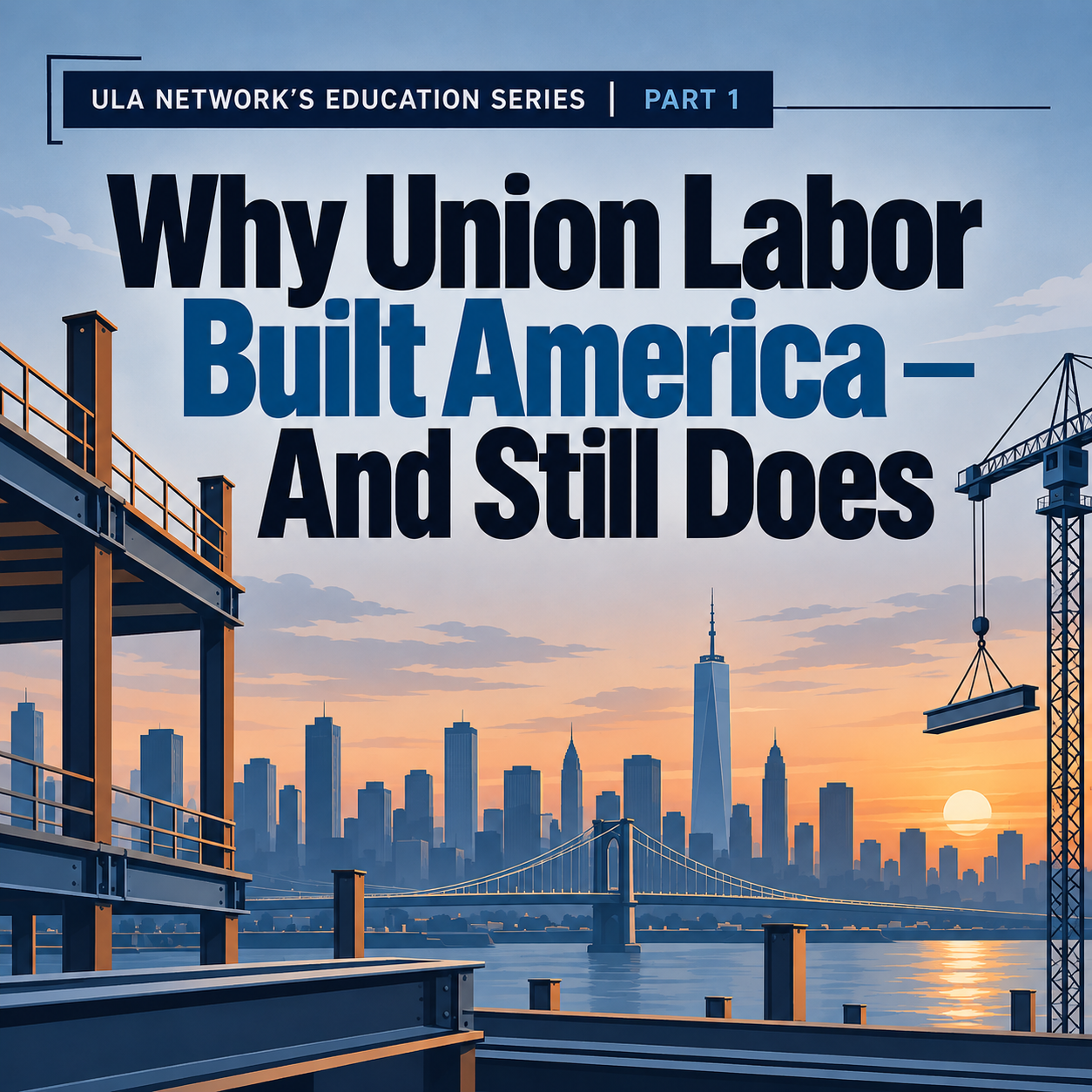
This post is part of ULA Network’s community education series, built to equip union leadership and organizers with clear, consistent messaging on the value of organized labor.