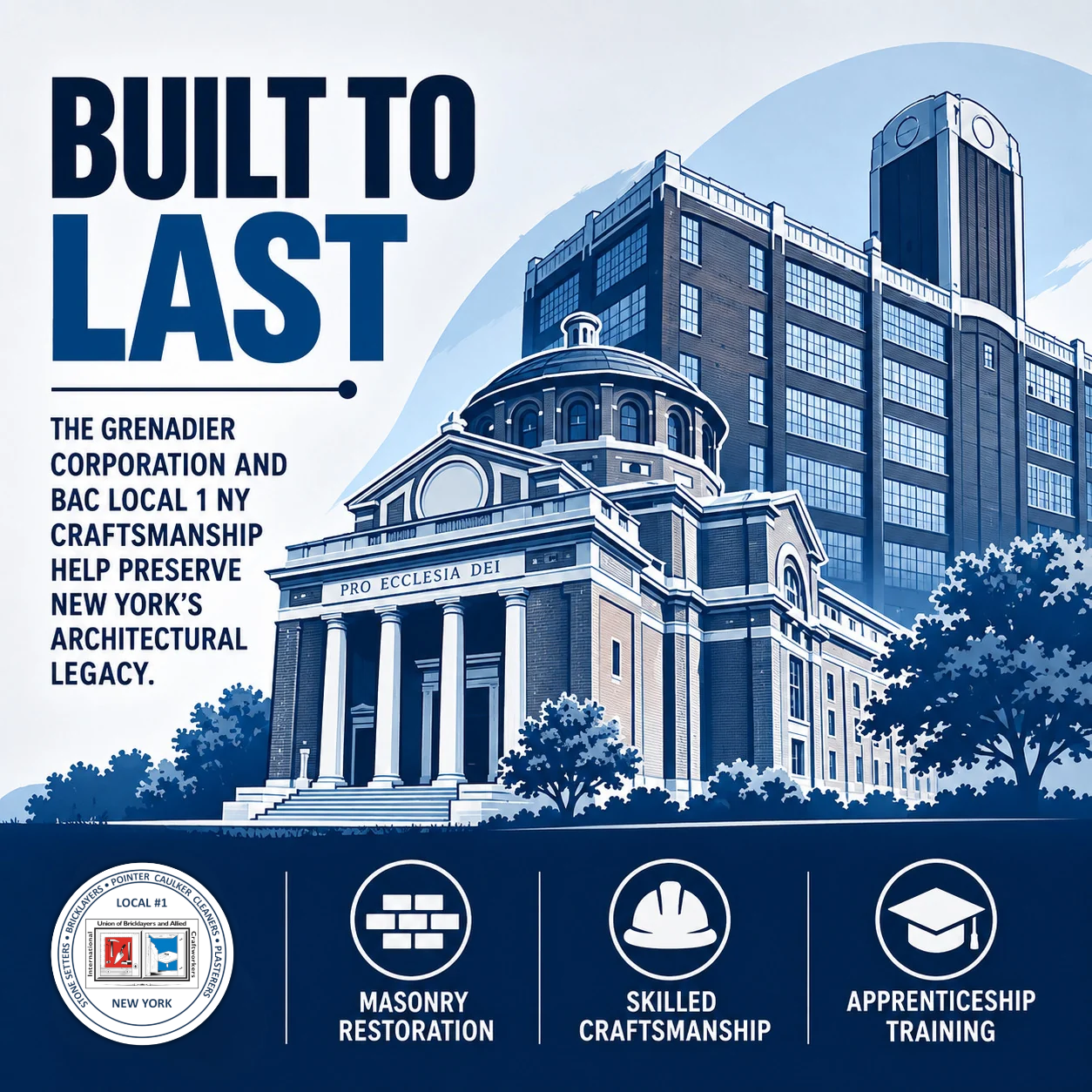
Across New York, some of the most recognizable buildings tell more than an architectural story—they tell a story of skilled hands, specialized training, craftsmanship, safety, and generations of tradespeople committed to building—and preserving—structures meant to last.
The Union Labor Advisory Network is proud to highlight The Grenadier Corporation, a longtime Bricklayers and Allied Craftworkers Local 1 NY signatory contractor, whose work can be found across historic landmarks, universities, cultural institutions, hospitals, commercial properties, and more across New York. A proud member of the Building Restoration Contractors Association, Grenadier has been a specialty contractor serving the New York City area since 1952.
Contractor-union partnerships like this one demonstrate why skilled union labor remains an integral part of New York’s construction landscape.
Preserving New York, One Building at a Time
What does restoration in New York City look like? As a specialty contractor, Grenadier takes on projects in masonry restoration, exterior maintenance, and related building envelope work. Its portfolio has included commercial, residential and institutional facilities. Each project comes with its own detailed requirements, meaning that experienced contractors and specialty craftworkers are a necessity.
For signatory contractors undertaking these challenging projects, BAC Local 1 NY provides access to highly trained craftworkers specializing in bricklaying, stone setting, stone tending, masonry restoration, plastering and related crafts. Local 1 members receive comprehensive apprenticeship training, with safety and continued skill development central to preparing members for complex New York construction and restoration projects.
The resulting partnership provides a skilled workforce capable of working on buildings where preserving history, protecting structural integrity and matching original materials may all be part of the same job.
Signature Project: St. Paul’s Chapel at Columbia University
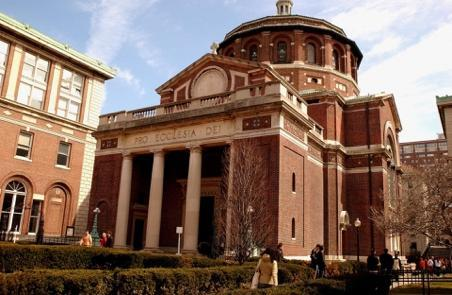
One of Grenadier’s most impressive examples of historic preservation is St. Paul’s Chapel at Columbia University.
Beginning in 2017, Grenadier undertook a comprehensive restoration involving the historic chapel’s façade and roof. The work included full tile roof replacement, structural roof repairs, waterproofing, and copper and masonry restoration. Key details included restoration of the Guastavino tile surfaces and work associated with the chapel’s stained-glass windows. Replacement roof tiles were even produced using original molds to help retain the building’s architectural character.
Completed in 2019, the project received a Lucy G. Moses Preservation Award, one of New York’s prominent historic-preservation honors.
It is a powerful example of what the masonry trades represent at their highest level: understanding how something was originally built, combining historic techniques with modern restoration practices, and performing the work carefully enough that another generation can enjoy the finished building.
The Studebaker Building: Restoring an Industrial Landmark
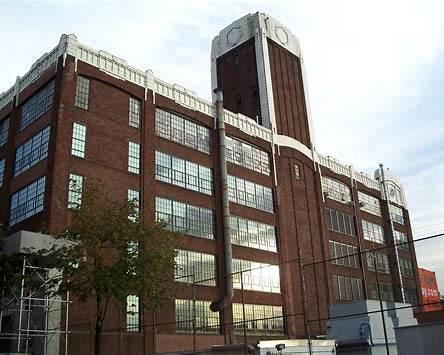
Grenadier has also been involved in restoration work at Columbia University’s historic Studebaker Building at 615 West 131st Street.
Originally constructed as a Studebaker automobile finishing facility, the building later served several industrial uses before becoming part of Columbia University. Restoration work included the façade and roof, with significant terra-cotta replacement and restoration of the building’s distinctive Studebaker architectural emblem.
Projects like Studebaker demonstrate that restoration involves far more than replacing damaged materials. Skilled craftworkers must understand existing masonry assemblies, historic materials, water infiltration, terra cotta, mortar characteristics and the details that give an older structure its identity.
Maintaining an Institution: The Museum of Modern Art
The Grenadier Corporation has also recently completed work at The Museum of Modern Art at 11 West 53rd Street. This project included exterior façade repairs involving face-brick masonry and stone crack and spall repair, as well as subsequent roof repair work. These repairs allow a landmark receiving millions of tourists annually to operate safely.
That is an important part of the skilled trades story that can sometimes be overlooked.
New York is not simply built once.
Its buildings must continually be inspected, maintained, repaired and restored. Behind many of the institutions millions of people recognize are skilled tradespeople performing detailed work that helps keep those properties safe, functional and beautiful.
From the MetLife Building to Generations of New York Landmarks
Grenadier’s public construction records also show recent work at 200 Park Avenue—the MetLife Building—including roof repairs and terrace enhancement work filed in 2026. The property describes itself as a 58-story, 3.1-million-square-foot Manhattan landmark directly above Grand Central.
Grenadier’s connection to notable New York properties stretches much further back, to such well-known buildings as Lever House, the Dakota and the Cathedral of St. John the Divine, illustrating a longstanding role in New York’s structural waterproofing and masonry-restoration industry.
Different generations of buildings present different challenges, but the fundamental requirement remains the same: qualified people who understand the craft.
Why Union Craftsmanship Matters
BAC Local 1 NY represents thousands of masonry craftworkers in New York City and Long Island and maintains an extensive apprenticeship and training infrastructure designed to develop the next generation of bricklayers, stone setters, restoration specialists and allied craftworkers. The Local notes that its members have helped build and restore landmarks including Grand Central Terminal, Yankee Stadium, Citi Field, the World Trade Center Memorial and the Metropolitan Museum of Art.
That training becomes especially important on complex restoration projects.
A craftworker may need to understand not only how to install new masonry but how to carefully remove existing material, identify deterioration, replicate historic details, repoint joints, repair stone or terra cotta, integrate waterproofing systems and work safely hundreds of feet above a New York street.
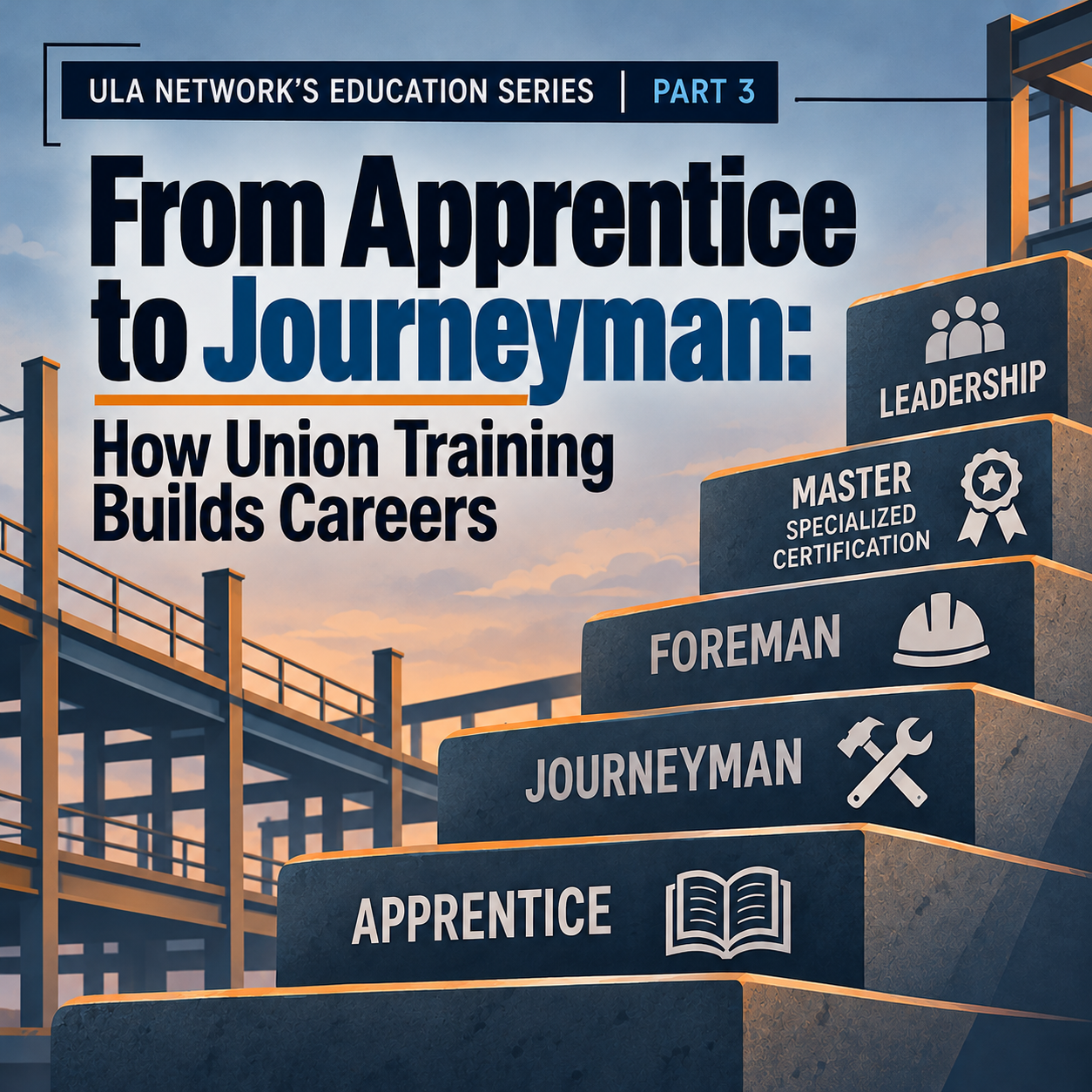
Those capabilities are developed through apprenticeship, classroom education, hands-on instruction, jobsite experience and mentorship from experienced journeyworkers.
And that creates something larger than a single construction project.
It creates a pipeline into careers.
Contractors + Labor + Training = A Stronger Construction Industry
When responsible signatory contractors and skilled union labor work together, the benefits extend beyond the finished façade.
Contractors gain access to trained craftspeople capable of performing highly specialized work. Building owners benefit from an experienced workforce focused on quality and safety. Apprentices gain opportunities to work alongside veteran tradespeople on sophisticated projects where they can develop their craft. And communities gain career pathways that allow another generation of New Yorkers to participate in building and preserving their city.
This is why highlighting contractors such as The Grenadier Corporation is important.
Behind every completed restoration are project managers, engineers, architects, contractors, foremen, journeyworkers and apprentices working together.
Behind the scaffolding are careers.
And behind some of New York’s most recognizable buildings are skilled union men and women whose craftsmanship may remain in place for generations.
Building the Future by Preserving the Past
New York’s architecture connects generations.
Buildings such as St. Paul’s Chapel remind us of where the city has been. Institutions such as Columbia University and MoMA remind us of the importance of investing in buildings that serve our communities today. And the apprentices learning masonry and restoration skills now represent the people who will maintain New York tomorrow.
The Grenadier Corporation and BAC Local 1 NY demonstrate what can happen when experienced contractors, specialized training and union craftsmanship come together.
It isn’t simply about completing another project.
It is about preserving history, protecting New York’s built environment, creating careers and passing craftsmanship from one generation to the next.
Brick by brick. Stone by stone. Generation by generation.
The ULA Network is proud to Support • Educate • Promote the contractors, unions, apprenticeship programs and skilled men and women helping build—and preserve—the communities we call home.