
Are you watching teenagers skip college and walk straight into a union trade? You are not alone, and the numbers behind that shift are massive.
The U.S. construction industry alone needs 349,000 new workers in 2026, according to Associated Builders and Contractors. The wider skilled trades gap could hit 1.4 million unfilled jobs by 2030 if the pipeline does not catch up.
At the same time, 92% of construction firms cannot find enough qualified craft workers. The pendulum is swinging back hard toward the skilled trades, and union apprenticeships are leading the way. At ULA Network, we see this shift occurring across our partner locals every day.
Skilled Trades Are Making a Strong Comeback in 2026
The math has finally shifted. Trade careers pay well, hire fast, and do not require a six-figure tuition. New entrants walk into one of the strongest labor markets in decades.
- The U.S. Department of Labor committed $145 million in January 2026 to expand registered apprenticeships, targeting one million active apprentices.
- BLS reports about 649,300 annual openings across construction and extraction occupations.
- Construction wages grew 4.2% year over year as of mid-2025, ahead of the national average.
- More than 1 in 5 construction workers is already over age 55.
Retirements are accelerating, and locals need fresh talent now – not in the next decade.
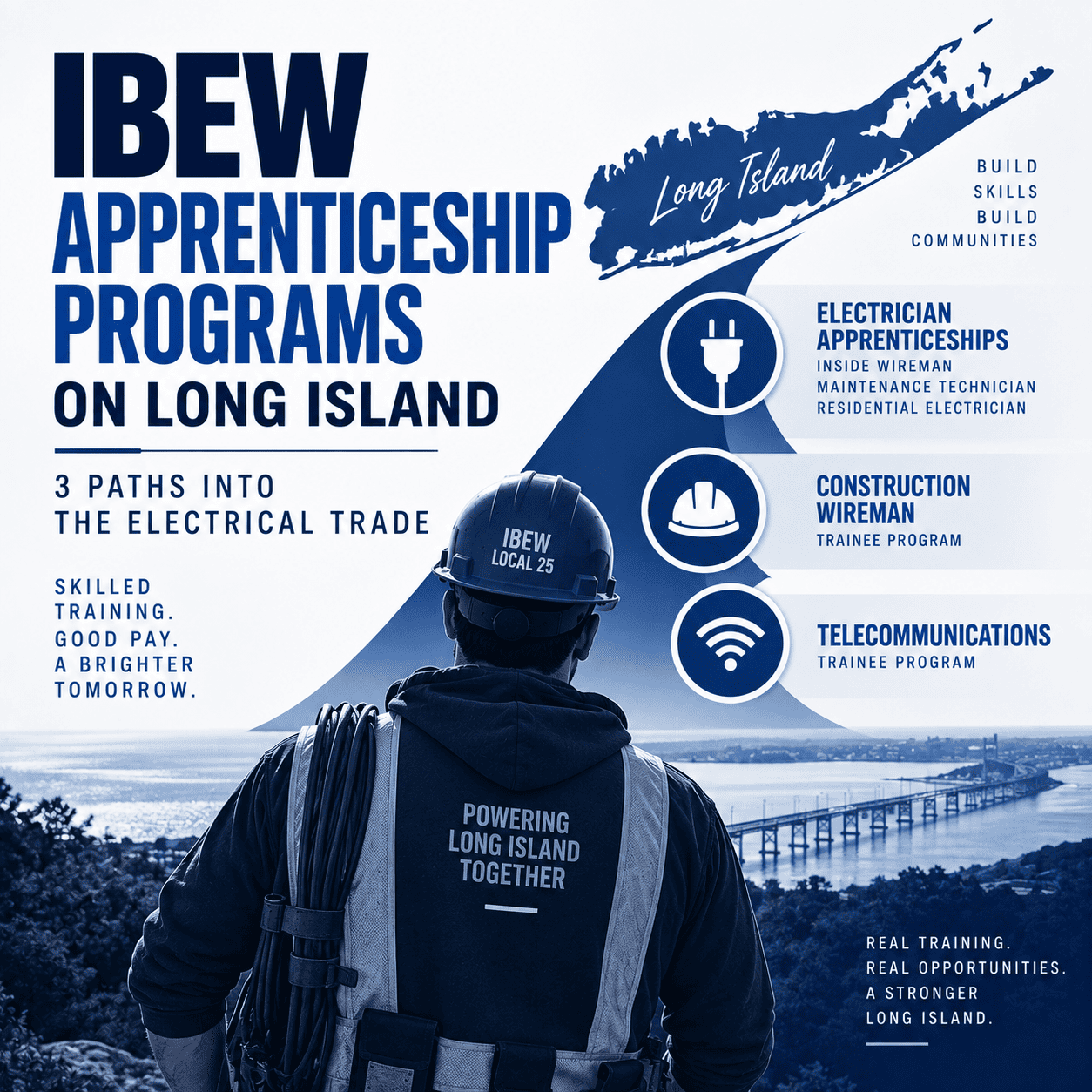
At ULA Network, we work with partner locals like IBEW Local 25, BAC Local 7 and BAC Local 1, who are actively training the next wave of union apprentices, alongside affiliates such as Teamsters Joint Council 16 and Teamsters Local 282.
The Real Value of Union Apprenticeships for Today’s Workers
A union apprenticeship is paid training, not paid debt. Apprentices earn from day one, learn directly from journeyworkers, and graduate with a nationally recognized credential.
- Apprentices typically start at about 50% of the journeyworker scale and step up each year.
- Most programs run 4 to 5 years and combine classroom hours with on-the-job training.
- Members receive health coverage, pension contributions, and safety training from the first day.
- Journeyworker credentials transfer across signatory contractors and state lines.
Our team at ULA Network works to support locals and members throughout their careers.
Career Stability and Long-Term Opportunity Through Union Trades
Stability is no longer a corporate perk. Tech and finance layoffs have hit white-collar workers hard, while licensed tradespeople stay booked. Union trades are now one of the most secure paths in the U.S. labor market.
- Electrician employment is projected to grow 9.5% through 2034, more than triple the average for all jobs.
- HVAC technician roles are projected to grow 8.1% over the same period.
- Union construction workers earn about 60% higher total compensation than non-union peers.
Career Path | Upfront Cost | Earning Starts | Debt Risk |
Four-year college | $30,000 to $200,000+ | After graduation | High |
Union apprenticeship | $0 tuition | Day one | None |
Why the Next Generation Workforce Is Choosing the Trades
Today’s apprentices are not just swinging hammers. They run drones, read BIM models, and install clean energy systems. Gen Z is paying close attention.
- Last year, around 600,000 trade jobs were posted while only 150,000 new workers entered apprenticeships.
- Union halls report record interest from high schoolers, career changers, and women.
- Pre-apprenticeship programs are opening doors across NYC, Long Island, and beyond.
- Robotics, BIM, and renewable energy systems are now standard parts of trade training.
Demand is being supercharged by the rapid build-out of AI infrastructure and energy efficiency upgrades, which require electricians and HVAC technicians at unprecedented levels.
Union Programs Supporting Veterans and Communities
Union locals build more than infrastructure. They open career pathways for veterans, women, and underserved communities.
- Helmets to Hardhats connects transitioning service members to registered apprenticeships in the building trades.
- Our ULA Network Charitable Foundation runs the Vets4Vets Community Construction Project, mobilizing union veterans to restore VFW posts, American Legion halls, and veteran homes.
- The program aligns with the Joseph P. Dwyer Peer Support Program for veteran-to-veteran mentorship.
- NABTU and its affiliated unions feed training pipelines that supply signatory contractors nationwide.
ULA Network also partners with the NYC Department of Veterans’ Services to expand outreach for veteran members.
Build Your Future With Workers Who Build America
Skilled trades are not a backup plan. They are the foundation of this country, and union apprenticeships have always been the strongest version of that foundation.
The next decade belongs to the people who build, wire, weld, and maintain the infrastructure America depends on. Are you a member, a parent, a veteran, or a young person weighing your options? Reach out to ULA Network at 917-439-5533 or sfina@ulanetwork.com to connect with the locals and supporting sponsors shaping the future of union labor.
Frequently Asked Questions
Why are skilled trades in such high demand in 2026?
The trades face a structural shortage of more than 500,000 workers this year. Retirements and slow apprenticeship pipelines have created the gap, and demand remains strong.
How much can a union apprentice earn?
Apprentices start at about 50% of the journeyworker scale and step up yearly. Most reach full rate after 4 to 5 years. Many trades pay $60,000 to $100,000 at journey level with full benefits.
Do union apprenticeships require tuition?
No. Registered apprenticeships are paid training programs. Apprentices earn from day one while completing classroom and on-the-job training.
How do veterans enter the union trades?
Veterans can apply through Helmets to Hardhats, local JATCs, or pre-apprenticeship programs. GI Bill benefits may also apply, including a housing allowance.
How does ULA Network support members and families?
We connect locals, benefit funds, members, and families with trusted legal, financial, and educational resources. Our foundation also runs community programs like Vets4Vets that strengthen veteran pathways.